Preview article · For editorial review before publication
Make the drawing identifiable
Include a part number, revision and units on the drawing. Send a readable file with sufficient views to explain the component, and include a 3D model if one is available.
Identify the current revision when several files or samples are involved. A photograph can help explain appearance, but it cannot replace dimensioned geometry.
Explain material and finish requirements
State the alloy or material standard required for the part. Specify material condition, surface finish and any treatment that matters to the application.
If you want the supplier to propose a material, provide the operating environment and functional requirements. Review and approve the proposed specification before production.
Mark the features that affect assembly
Identify critical dimensions, mating surfaces, holes, threads and formed profiles. Include tolerances and explain how the part fits into the assembly.
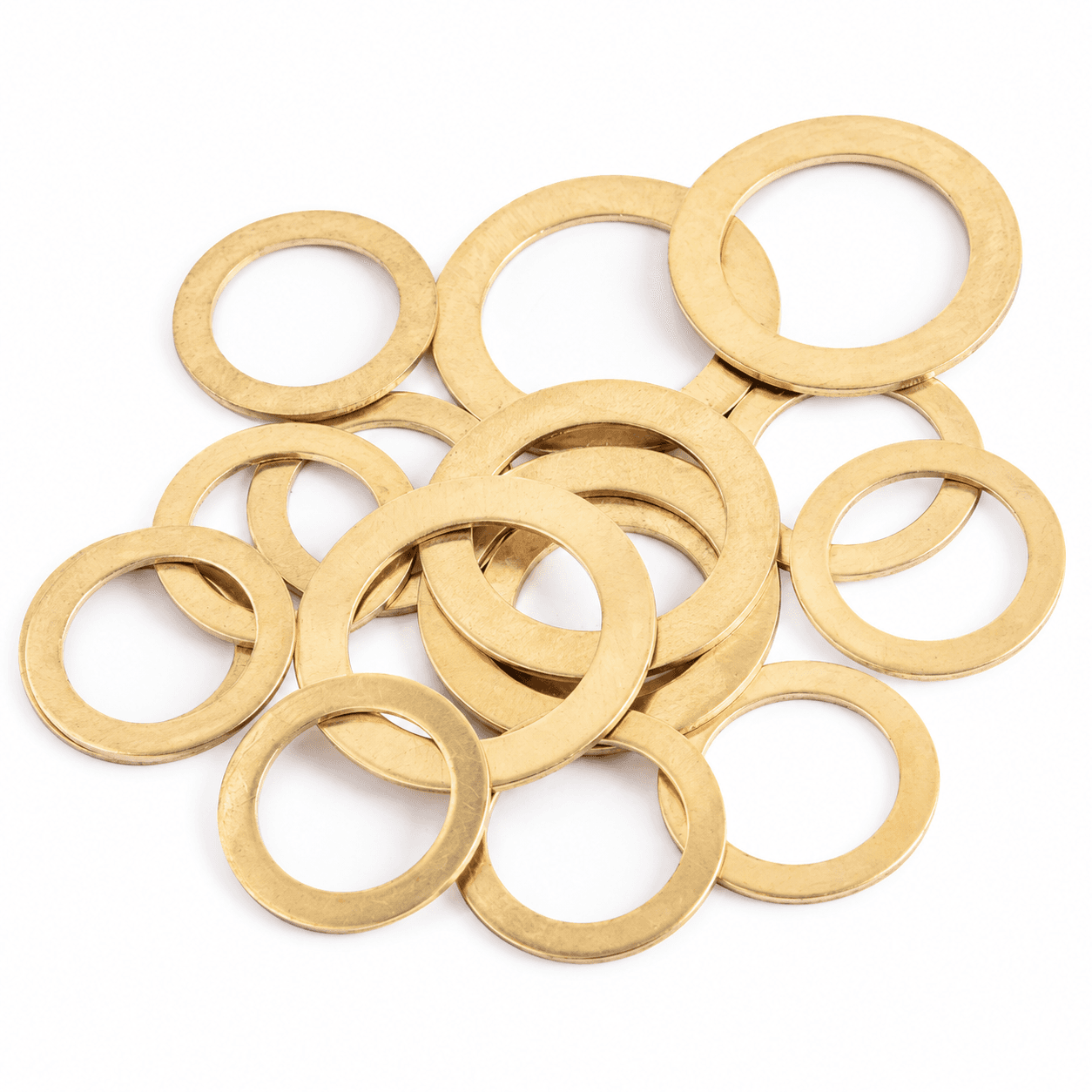
For a formed cap or cup, specify the relevant depth and thickness. For a washer, label ID, OD and thickness. For a threaded component, define the thread standard and required mating dimensions.
Agree on samples and inspection
State the expected quantity, inspection requirements and packing format. Where a first sample is needed, agree on the approval process and the features to be measured.
Keep the approved drawing and acceptance criteria with the purchase order. This supports clearer communication when the part is reordered or revised.